
Over the years, scientists studied the potential link between traumatic brain injuries and addiction. Though the brain function can be somewhat complex, we will breakdown some of the links between traumatic brain injury and addiction. We’ll highlight a few ways that we can integrate creative tools to promote recovery from both brain-related issues.
What is a Traumatic Brain Injury?
A simple definition of a Traumatic Brain Injury comes from the Centers for Disease Control: “a disruption in the normal function of the brain that can be caused by a bump, blow, or jolt to the head, or penetrating head injury.”
At Surfside, we see a plethora of men with traumatic brain injuries. They are the result of anything from sports injuries to car or skateboard accidents, and more.
A Traumatic Brain Injury, or TBI, can range in severity. Some men experienced profound changes in personality, motivation or speech, while others struggled with chronic headaches, fatigue, or severe depression.
Traumatic Brain Injuries and Addiction… is there a link?
The brain is a complex mechanism, so we’re going to talk about traumatic brain injury and addiction without using tons of jargon. We looked at a study examining Traumatic Brain Injuries in childhood and adolescence. Researchers noted a person can experience changes to the neural pathways that are associated with reward after a head injury. We see these neural pathways similarly impacted in Substance Use Disorders. There are even a few studies that show the younger a patient is when they sustain a TBI, the more at-risk they are for drug/alcohol misuse.
The same article linked above notes a jarring statistic. 38%-66% of people with a Traumatic Brain Injury are at risk of developing a substance use disorder, whereas about 11% of the general population experiences addiction. We’ve treated many men with a TBI, so it’s critical that we integrate treatment modalities to support them.
Neuroplasticity in TBI and Addiction Treatment
“Neuroplasticity” is a word that we hear often when talking about treating substance use disorder. We’ve learned that the brain is a powerful, fascinating organ that can be rewired over and over again throughout the lifespan. For both traumatic brain injuries and addiction, retraining the brain and it’s neural pathways can be extremely healing. It’s also a time-consuming process that requires thoughtful attention.
We know that neuroplasticity depends on repetition. In addiction recovery, a structured environment and daily routine can be the perfect place to start. As we begin to perform the same tasks and form healthy habits, the brain slowly heals. Getting up at the same time daily and deliberately setting 3 measurable goals is a great example.
If someone is healing from a stroke, rehabilitation includes repetitive behaviors. By replicating this in addiction treatment (especially for folks with a TBI), the results are powerful.
Exercise and the brain
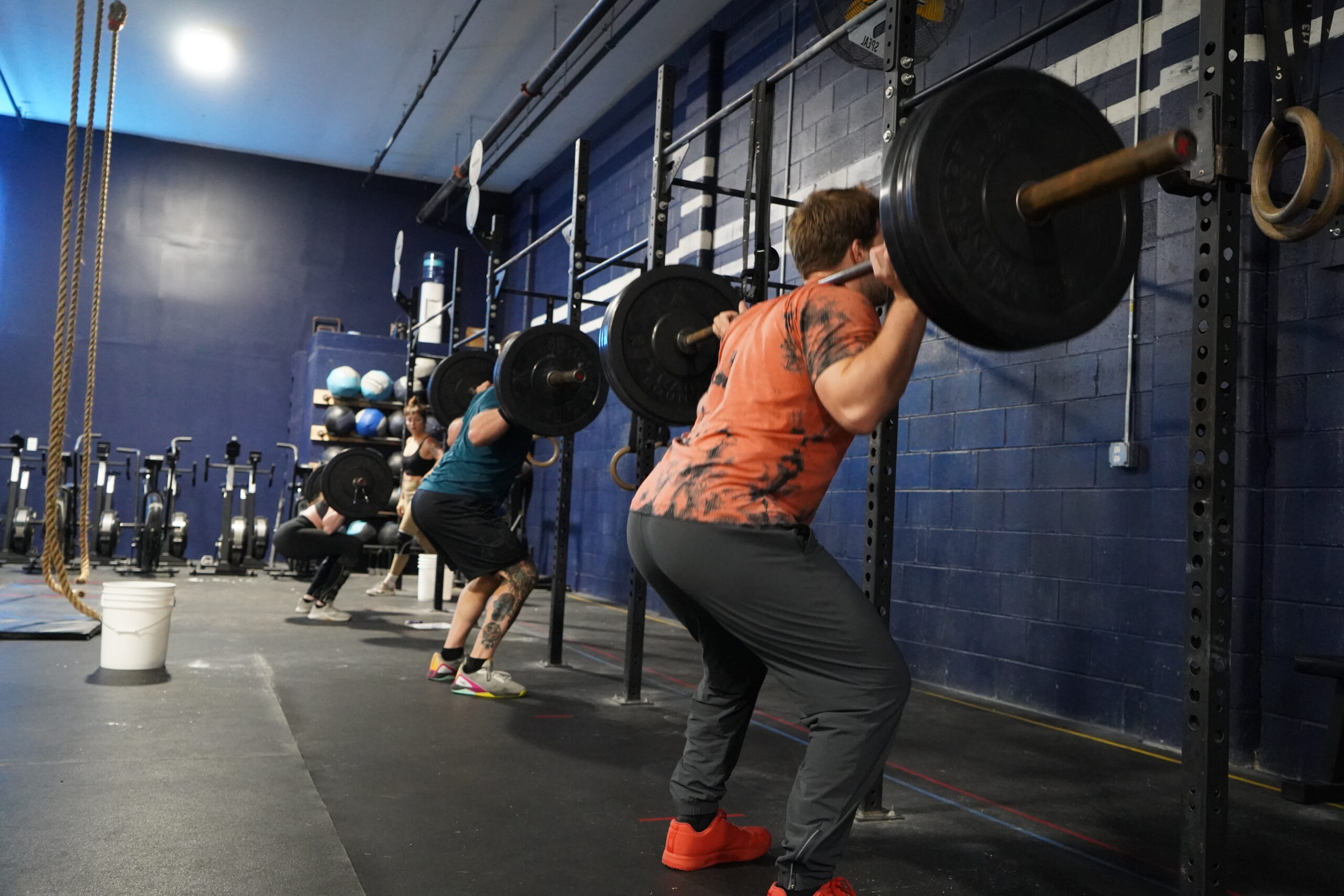
We talk about the link between exercise and mental health to no end on our Surfside website. Our daily programming is built around mindful movement, as exercise improves self-esteem, overall health, and serotonin/dopamine production, and so much more. Neurological research shows that pumping blood through the brain is a great way to reroute neural pathways.
There’s also a wealth of Traumatic Brain Injury research that discusses fitness/exercise and TBI recovery. Though every person’s injury and recovery timeline is different, exercise is shown to improve recovery from a TBI. A brain injury can impact blood flow to the brain, so adding in exercise begins to improve blood flow through injured areas. There’s a lot of somewhat complex research (Found here) that talks about how DHA, which contributes to neuroplasticity, can have positive effects on the brain through exercise.
Because every TBI is significantly different, doctors are hesitant to prescribe treatments across the board. What may be really helpful for one person can be detrimental to another. But there is compelling research that shows functional fitness encourages people to thoughtfully move their body while also getting the blood flowing. One study, linked here, shows there was a significant improvement in cognition following regular exercise.
TBIs, Addiction and Surfside
The beauty of running a small, integrative program is that we can offer a range of activities that benefit a person. By offering two activities daily, we give folks the decision to choose what’s the best fit for them. This encourages folks with a TBI to stay active while being mindful of their limits. Our team works to identify which activities could be really beneficial to overall TBI recovery while also acknowledging others could be dangerous.
general enquiries
location
business hours
9AM-9PM Sat-Sun
Recent articles
related posts
 January 7, 2026
Support Staff and Behavioral Health Technicians: Who They Are, and [...]
 October 22, 2025
Improving Depression and Anxiety with Physical Activity We constantly talk [...]