


In addiction recovery, people are often encouraged to “keep moving forward” and leave the past behind them. We hear little catch phrases like “Don’t look back, we’re not headed that direction.” At Surfside, we’ve built sports and adventure into our daily programming because there’s a significant body of research that shows a connection between addiction, depression, and movement – especially forward movement.
The Surfside approach has daily movement at its core, built on the widely accepted knowledge that physical activity can boost self-esteem, create social connections, and get all sorts of natural endorphins flowing. But as we’ve integrated Therapeutic Adventure into our work, we’ve had the privilege of learning more about the decades of scientific research studying movement and brain health. For those who may think we simply do fun things because they’re fun to do, we wanted to break down one of the many areas of research linking addiction, depression and movement.
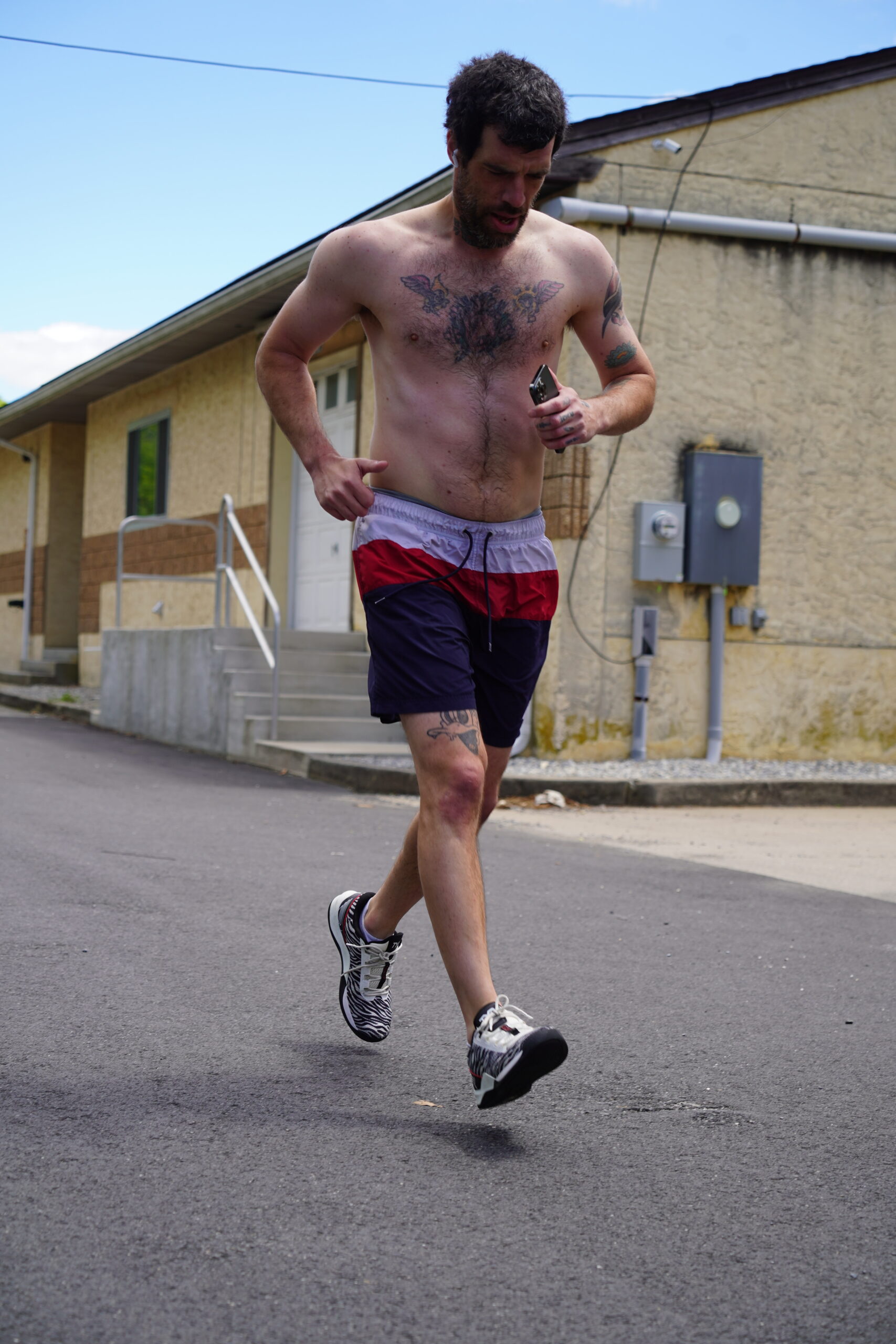
If you’d like to get a thorough understanding of the science behind movement in layman’s terms, we recommend the book “Move” by Caroline Williams. Williams dedicates an entire chapter to the research behind forward movement in particular – that’s stuff like walking at a brisk pace, running, and even kayaking or bicycling. There have been a variety of experiments that suggest physically moving forward creates a sense of forward progress, which helps the way we think about who we are, our life, and where we’re headed. The past seems less relevant and the future feels within reach.
For people with depression, and certainly folks with co-occurring disorders like depression and addiction, physically moving forward creates a sensation that the past is further behind us. When someone has an elevated heart rate, their brain begins to let go of energy that isn’t useful – like ruminating on negative thoughts.
One of the ultra-marathon runners interviewed in “Move” openly shares details of his recovery from addiction and depression, as well as the impact of running on his mental health. He spoke of the way that depression made him feel completely unable to move while simultaneously wanting to escape his emotions. He shares, “Moving forward gives you the strength to know that you can move forward.” When we reflect on how the Surfside crew feels after completing a workout like “Murph,” (a challenging Memorial Day CrossFit workout), we find most people are tired… but they’re also empowered. They feel a sense of accomplishment after completing something that seemed daunting before they started. And there’s also the healthy sense of pride that comes with completing a task that others won’t even attempt.
We know that finding motivation to move forward can be tough, which is why it’s simply built into our daily schedule. It allows the men at Surfside to move at the pace that works for them, but still reap the benefits of forward movement and forward thinking on the journey to recovery from addiction.

general enquiries
location
business hours
9AM-9PM Sat-Sun
Recent articles
related posts
 January 7, 2026
Support Staff and Behavioral Health Technicians: Who They Are, and [...]
 October 22, 2025
Improving Depression and Anxiety with Physical Activity We constantly talk [...]